
Acupuncture vs. Dry Needling: What’s the Difference?
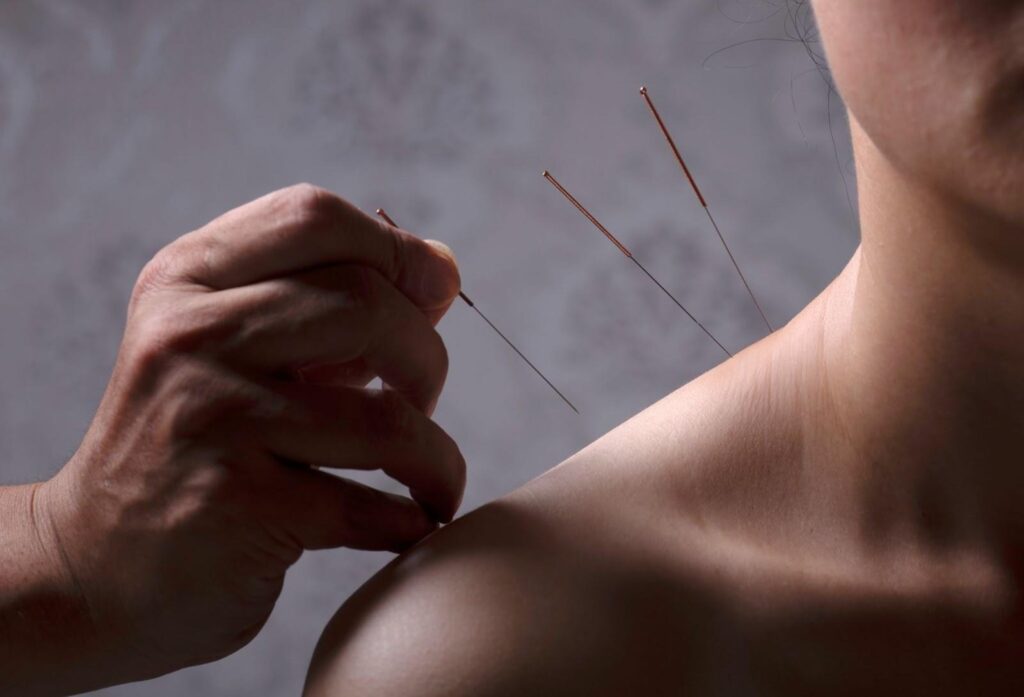
If you’ve been dealing with pain, stiffness, or movement limitations, you may have heard about acupuncture or dry needling as treatment options. Because both use very thin needles, it’s common to wonder what the difference is and which one might be right for you.
At Dynamic Physiotherapy & Chiropractic in Kanata and Kemptville, acupuncture and dry needling are used as part of individualized care plans designed to help people move more comfortably, recover more efficiently, and get back to daily life with greater confidence.
While the tools look similar, the intent behind each approach is different. Understanding that difference can help you make informed decisions about your care.
How We Approach Needling Therapies
At Dynamic, needling is never a “one-size-fits-all” treatment or a standalone solution. Whether acupuncture or dry needling is recommended, it is always chosen based on:
- Your symptoms and goals
- What’s driving your pain or movement restriction
- How your nervous system and muscles are responding
- How needling fits alongside physiotherapy, chiropractic care, and active rehab
All needling treatments begin with a full assessment, just like any other appointment at Dynamic, so care is guided by how your body is functioning, not just where it hurts.
What Is Acupuncture?
Acupuncture is a regulated healthcare therapy in Ontario and is commonly used in clinical settings to support pain relief, muscle relaxation, and nervous system regulation.
At Dynamic, acupuncture is offered by trained clinicians, including many of our chiropractors and physiotherapists, and is often used when symptoms feel persistent, easily triggered, or linked to tension and stress patterns.
How Acupuncture Is Used at Dynamic
Your appointment begins with a detailed review of your health history, symptom patterns, and goals. Acupuncture point selection is based on your overall presentation, which may include:
- Where symptoms are showing up
- How your body is responding to stress and recovery
- Sleep quality, tension patterns, and flare-up behaviour
Needles are typically placed gently and left in place for a short period while you rest. Many people describe these sessions as calming and grounding.
What Does Acupuncture Feel Like?
Sensations vary from person to person. You may notice:
- A brief sensation during insertion
- A dull ache, warmth, or heaviness
- A sense of relaxation during or after treatment
Some people feel looser or more settled afterwards, while others feel slightly tired for the rest of the day. Your clinician will always adjust the approach based on your comfort.
When Acupuncture Is Commonly Considered
At Dynamic, acupuncture is often used when:
- Pain feels widespread or “turned up”
- Symptoms are easily aggravated
- Headaches, jaw tension, or neck tension are involved
- Stress and sleep are closely tied to pain levels
It’s frequently used alongside physiotherapy or chiropractic care to improve comfort and help patients tolerate movement and rehab more easily.
What Is Dry Needling?
Dry needling is a technique commonly used to address muscle-related pain and movement restrictions. Like acupuncture, it uses very fine needles, but the clinical intent is more local and mechanical.
Dry needling focuses on muscles and myofascial trigger points, sensitive areas within muscle tissue that can contribute to pain, stiffness, or reduced range of motion.
How Dry Needling Is Used at Dynamic
Our physiotherapists and chiropractors at Dynamic often recommend dry needling when symptoms follow a clear muscle-based pattern, such as:
- Pain that changes with posture or movement
- A specific area that feels tight, restricted, or “stuck”
- Discomfort that limits activity, sport, or work tasks
Dry needling is rarely used on its own. It is typically combined with hands-on therapy, movement retraining, and strengthening exercises so improvements carry over into daily life.
What Does Dry Needling Feel Like?
During treatment, you may feel:
- A brief pinch or deep ache
- A quick muscle twitch or response
Afterwards, some people experience fatigue and mild soreness, similar to how muscles feel after a workout. This usually settles within a day or two, and is why dry needling is often paired with gentle movement and targeted exercise.
Key Differences Between Acupuncture and Dry Needling
While the needles look similar, the focus of each approach is different.
- Acupuncture is often chosen when the goal is to calm symptoms, regulate pain, and support overall recovery capacity.
- Dry needling is often chosen when a specific muscle or movement restriction is directly contributing to pain or dysfunction.
At Dynamic, the decision isn’t about choosing one “better” option, it’s about choosing the right tool for the right situation.
Conditions Commonly Treated at Dynamic
Both acupuncture and dry needling are used to support people with pain and movement challenges. The best fit depends on what’s driving symptoms at the time.
Acupuncture is often considered when symptoms are:
- Persistent or widespread
- Closely tied to stress, sleep, or nervous system overload
- Associated with headaches, jaw tension, or neck tension
Dry needling is often considered when symptoms include:
- Pain that changes clearly with movement or position
- Localized muscle tightness that limits range of motion
- Discomfort related to sport, training, or repetitive work
Which Option Is Right for You?
The best starting point is your goal.
You may benefit more from acupuncture if you’re looking for help with symptom regulation, relaxation, or widespread pain sensitivity. Dry needling may be a better fit if a specific muscle or movement pattern is limiting your progress and you want to pair symptom relief with a structured rehab plan.
Some patients use both at different stages of recovery, using needling to reduce discomfort, then building long-term resilience through movement and strength.
Your clinician will help guide that decision based on your assessment and response to care.
A Thoughtful, Integrated Approach to Care
At Dynamic Physiotherapy & Chiropractic, needling is one tool within a bigger picture. Whether through acupuncture, dry needling, physiotherapy, or chiropractic care, the focus is always on helping you move better, manage pain more effectively, and feel confident in your body again.
If you’re wondering whether acupuncture or dry needling could support your recovery, our team is happy to help you explore your options. Contact Dynamic Physiotherapy & Chiropractic to book an appointment or learn more.